
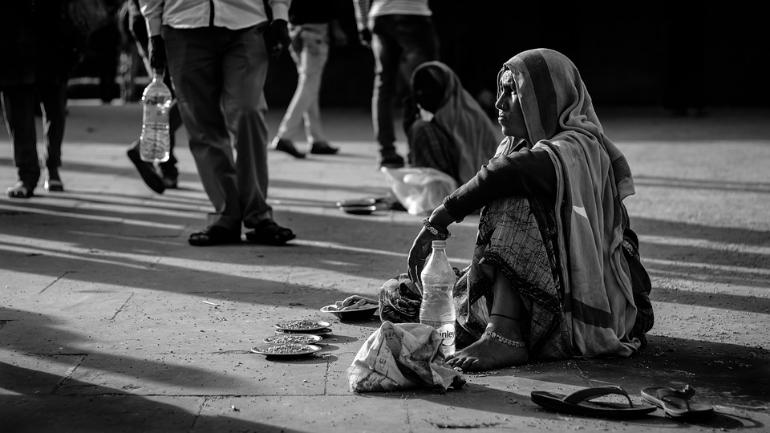
Music and society have been intimately relatedover a long time. Notably, it creates social conditions and factors that facilitate or impede social changes. Music is a powerful medium. As a result, societies have made attempts to control its use in addressing societal issues. It is influential-within the social groups as it facilitates communication beyond words, enables the sharing of meanings, as well as promote the development and maintenance of individual, group, cultural, and national identities. It produces multiple responses that range from physiological, emotional, behavioral, and cognitive among others. Various stimuli affecta wide range of human functions. In this case, the multiple processing of music makes it difficult to predict the effects of a particular form of music to any individual. Music addresses various forms of social injustices such as inequality and poverty, while providing source of income to the masses to enhance their status.
Economic growth should seek to enhance the living conditions of the poor. Notably,economic growth that does not address the equitable distribution of resources may lead to social tensions. In particular, it causes exacerbation of inequality and subsequent rise in the poverty levels. India has an adopted economic growth through trade, investment liberalization, and economic reforms (Raghbendra 4). These have led to a considerablerise in the economic growth rate. However, the question lingers to whether economicgrowth has had a positive effect on the levels of inequality and poverty in India. Notably, the government has experienced budget constraints over the years leading to a slow change in inequality. The latter has resulted from a shift in the earnings, rapid growth of the services sector, and reducedlabor absorption in the reform period (Raghbendra 4). As a result, there is an increase in regional inequality, anddespite the steady growth,there has been a slow rate of poverty reduction in the country.
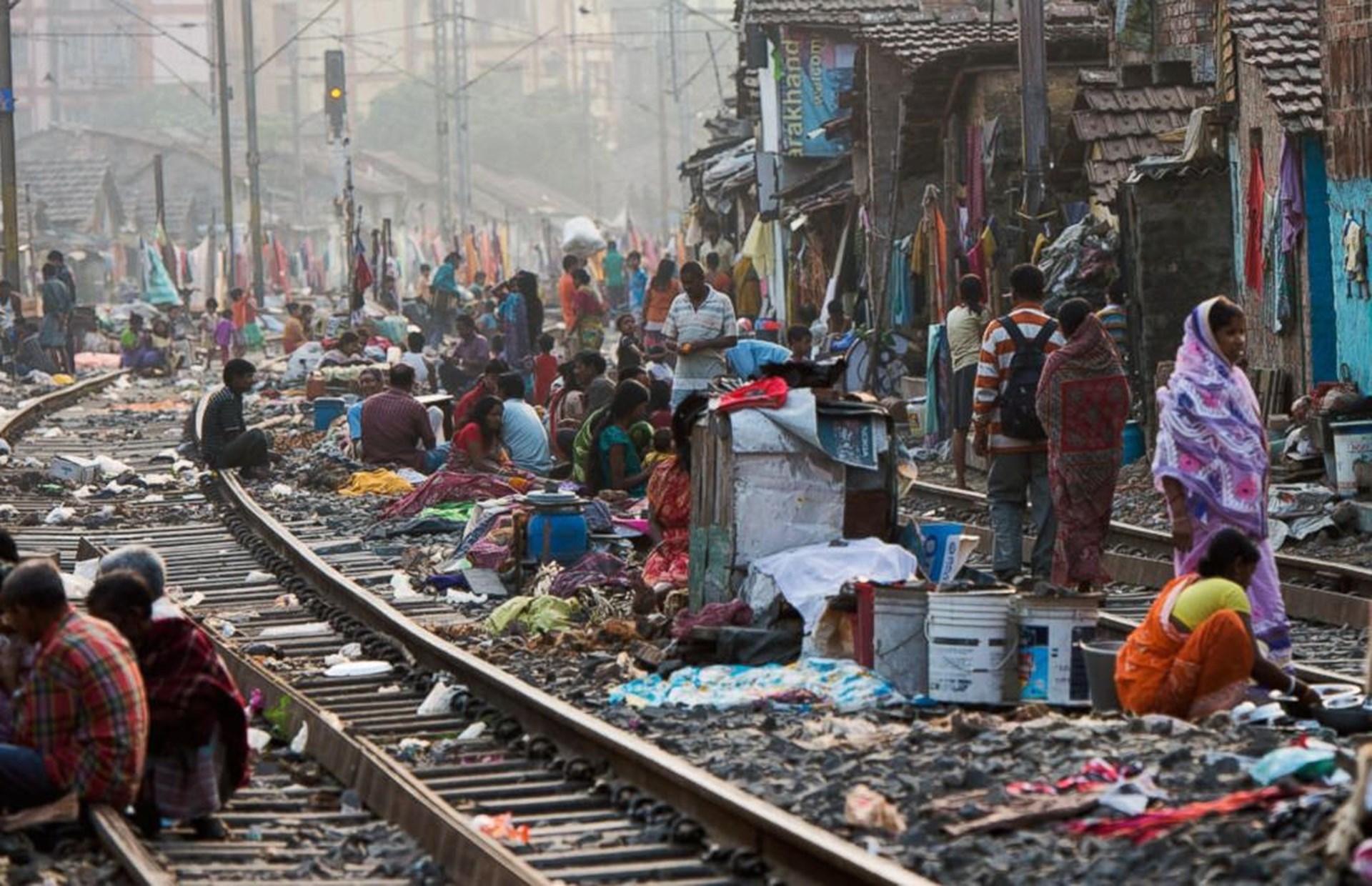
According to the world bank ending poverty and addressing the issue with climate change. Apart from that, a highrate of violence among the world’s poor. In this case, various professional’s efforts are needed to address inequality and poverty in society. Music influences people living in affluent circumstances through fundamentalsocial responsibility or guilt. These factors derive from patterns of global consumption and action such as trade and warfare that exploit the citizens. Various professions such as doctors are critical for addressing urgentneeds. For example, the doctors beyond borders provide medical assistance to impoverished victims of acts such as violence across the world. Equally, the music educators have a role to assume in addressingthe social and psychological needs, although it is not life-sustaining.
Music outlinesthe various forms of social deprivation. For instance, it may be income, consumption or entitled based, implying that an individual is deprivedof the suitable quality of life. One form of poverty is the absolute poverty, whereby an individual lives under the minimum socially acceptable condition (Klisala 4). In addition, there is the primary poverty where a family has a meagerincome that cannot provide for the necessitiesand secondary poverty where a house may be above the poverty line, but financial strain may result to primary poverty. In this case, music may be employedas a cultural response to poverty and inequality. The difficulties, struggles, and harshness of daily life, as well as the struggles for survival, can be reflectedin various songs as a means to cope (Klisala 5). For example, reggae and hip-hop music which have their origins in Jamaica and America can be attributedto poverty and inequality resulting from migrant cultures.
The needs of the oppressed population can be highlightedthrough music. Notably, music education can assist impoverishedindividualsin developingpersonal and social skills. However, it is important to note that the poor have strong personal and social skills. For example, they are more ethical, compassionate, and altruistic. Furthermore, they are less likely to abuse drugs and are usually hard working and communicative. Povertyresults from social inequality. Subsequently, music education can be used to address poverty and inequality through an understanding of the cultural, social, and personal affluence to people affected by political and economic impoverishment. First, music offers an avenue to address the injustices, thus educators should nature skills such as songwriting. Apart from that, music can be used to raise awareness and support the oppressed. Finally, music can be used to address poverty by raising as well as donating the essential resources (Bates 3).
As identified earlier, music can be used to depict the struggle to survive among the poor. Equally, in India,the new generation musicians are using rap music to exemplify the struggle to survive. The contemporary Bollywood music speaksof a glamorousand wealthy life,but does not reflect the world in which they are played. The disenfranchisement that characterized the development of hip hop in New York in the 1970s is the motivating factor. In this context, Naved Shaikh was inspired by the Us rapper Tupac and BIG to express anger and frustration with the society. In this case, the majorityof the young people in India are delighted to hear their voices reflected within the popular culture. The first song Aafatreflects on the neighborhood he grew and addresses the issues of corruption, poverty, and crime. Importantly, the new artists have developed a mix of Hindi, Urdu, and street slang in the Indian slums. It addresses contemporary issues such as police corruption and brutality as well aschallenging the fake promises of the government. Equally, the rappers are using simple recording methods such as phones to record their music and uploading it on YouTube and free street concerts to promote their songs (Ellis-Petersen). Various forms of music are effective platforms for addressing problems within the society.
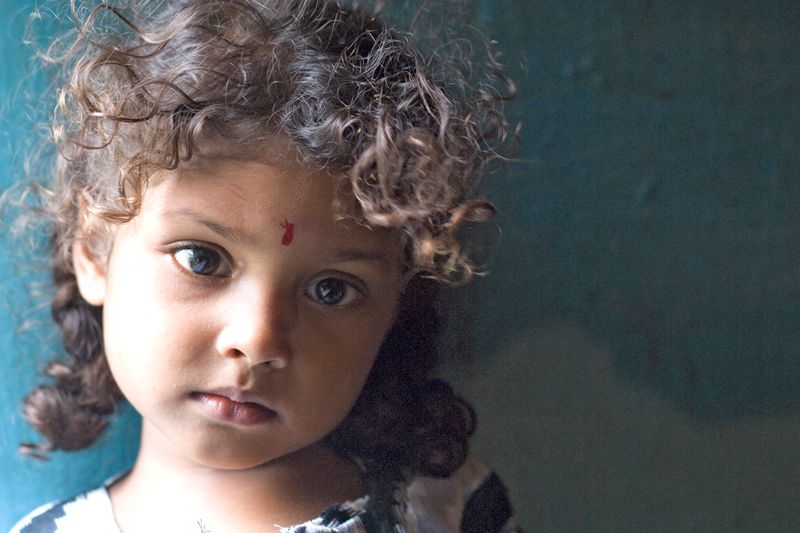
Various factions of music can be employed in addressing issues on social justice. On the one hand, the lyrics provide the texts for analysis and discussion (Levi and Byrd 67). The subjects covered include poverty and discrimination among others. Apart from that, diverse genres can be employed to articulate the concepts of social justice (Levi and Byrd 67). There are various stereotypes towards certain stylesof music, thus the need to challenge and enrich their learning experiences. In addition, singers and songwriters with diverse backgrounds can be crucial in highlighting the diversity in experiencesand views (Levi and Byrd 68). The practice opens the awareness ofdifferences as well as universalthemes andbackgrounds. Finally, the lyrics have a significance to the composition period of a piece(Levi and Byrd 68). There is a need for the comprehension of the context within which music is composed and the application of lyrical concepts in various historical perspectives.
Music and the related activities can be usedin shifting the socioeconomic status of an individual. Notably, gaining income and income status has a positive effect on health and length of life (Klisala62b). Low social ranks characterized by poverty and perception of inequality may lead to physiological stress reactions that may affect the immune system. In this regard, musical performance and knowledge may enhance income levels and improvethe socio-economic status. The development of musical,theatrical projects leads to the cultivation of skills, generation of income, and offered occupationalpossibilities. Notably, participants canenhance their socio-economic status through music practices and performance. The initiatives in music providerevenueand possible health benefits in situations where individuals were living in poverty and lacked status(Klisala 70b). The musicexplores a wide range of employment opportunities ranging from composing, production, provision of vocals, sale, and dancing are some of the opportunities offered. Music offers an opportunity for individuals to explore various employment opportunities that provideavenues for the generation of income.

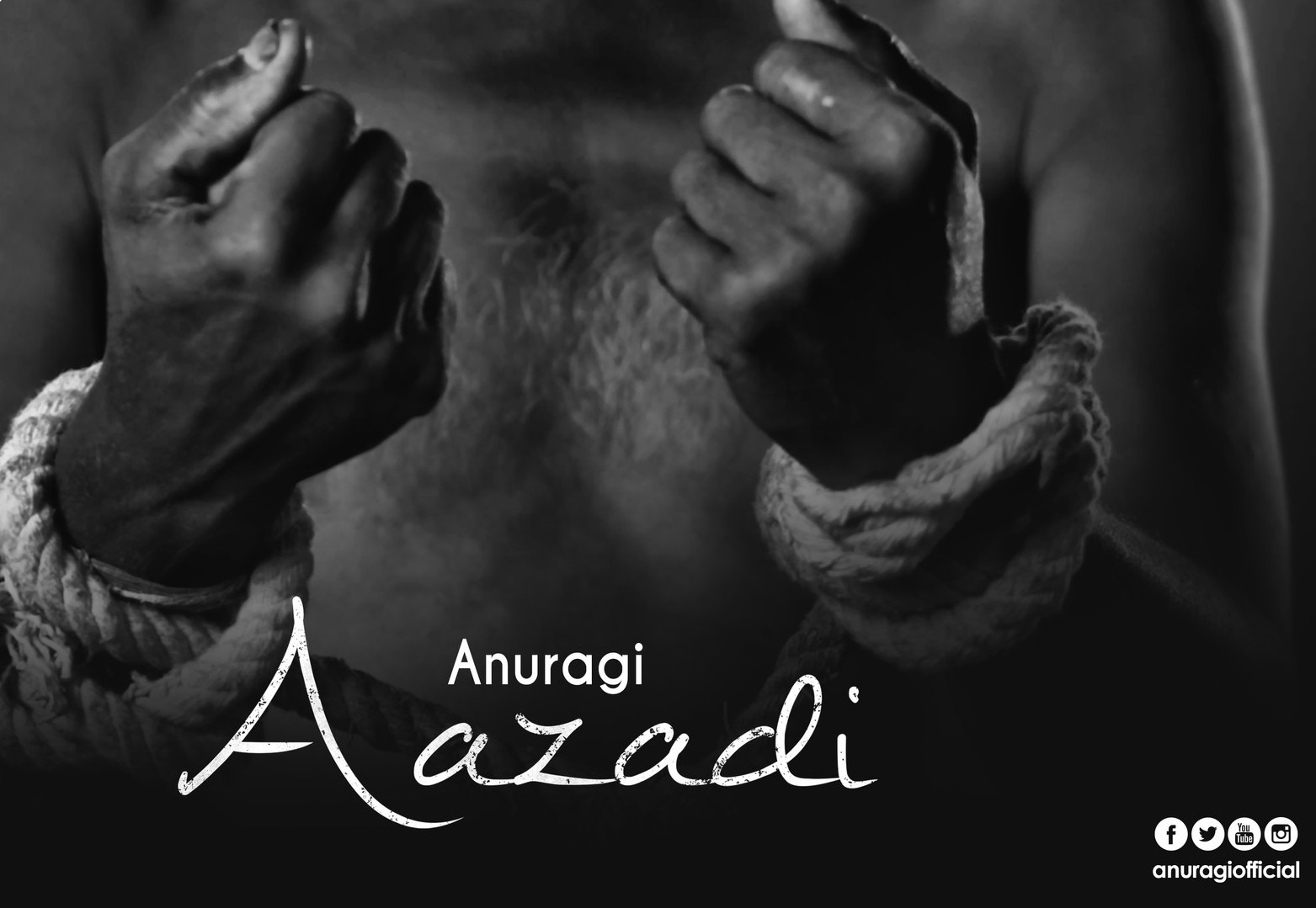
Musicians and their compositions have a crucial role in the promotion of social stability. They are concerned with exhibiting patriotism as well as making their country a better place. They canrally the citizens towards a cause and address the issues of loss, theft, andwaste of public resources. In this regard, musicians within India should use their position to resolvethe social,economic problemsin the country. Importantly, it canpass the messagethat may be considered hurting, implicating, and dangerous without regard for the consequences, primarilyif it aims at improving the condition of the oppressed (Ibekwe 168). In this case, the musical group Anuragi has produced the song Hathkadi which addresses socialissues such as rape and poverty. Musicians are social critics and guide the people based on the prevailing norms.
In the majorityof societies,music is not toleratedas it is an outspoken form of art. Importantly, it promotes social stability as well as the provision of employment opportunities for various factions within the industry. India faces numerous issues associated withpoverty and inequality. These issues can be eliminatedif people shun self-aggrandizement and the principle actors strive for the provision of a better nation. In this regard, musicians should use their musical prowess to enlighten the masses and condemn deviant behaviors such as stealing, corruption, and embezzlement of public funds among others. In this regard, they can promote stability.
Works Cited
Bates, Vincent C. “Foreword: How Can Music Educators Address Poverty and Inequality?” Action, Criticism, and Theory for Music Education,vol. 15, no. 1, 2016, pp. 1-9.
Ellis-Petersen, Hannah. Poverty, corruption, andcrime: how India’s ‘gully rap’ tells storyof real life. TheGuardian, 2016, http://www.theguardian.com/world/2016/may/16/poverty-corruption-and-how-indias-gully-rap-tells-story-of-real-life. Accessed 20 March 2019.
Ibekwe, Eunice U. “The role of music and musicians in promoting social stability in the country.”UJAH UNIZIK Journal of Arts and Humanities, 2012 pp. 159-174.
Klisala Harrison a. “The relationship of poverty to music.” Yearbook for Traditional Music, vol. 45, 2013, pp. 1–12. JSTOR, http://www.jstor.org/stable/10.5921/yeartradmusi.45.2013.0001.
Klisala Harrison b. “Music, health, and socio-economic status: a perspective on urban poverty in Canada.” Yearbook for Traditional Music, vol. 45, 2013, pp. 58–73. JSTOR, http://www.jstor.org/stable/10.5921/yeartradmusi.45.2013.0058.
Levy, Denise L., andByrd, Daniel C. “Why can’t we be friends? Using music to teach social justice.”Journal of the Scholarship of Teaching and Learning,Vol. 11, No. 2, 2011, pp. 64 – 75.
 Human Rights, Music, & Resistance