
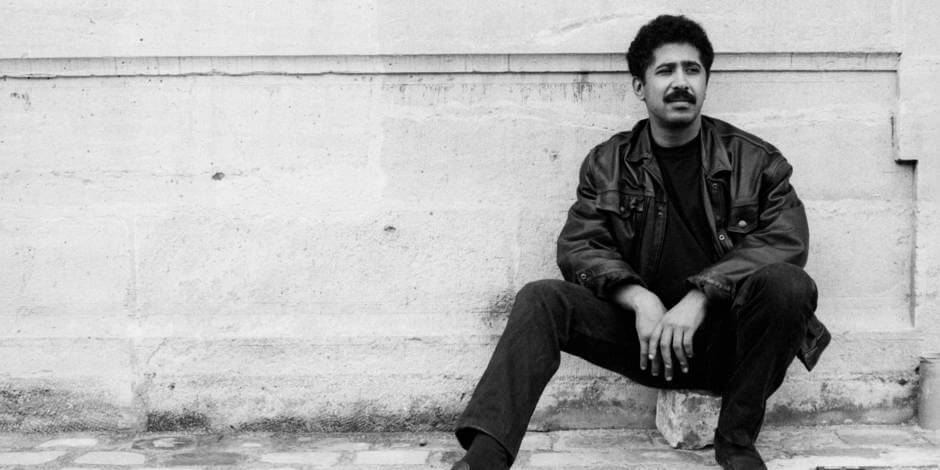
Khaled Ibrahim is an Algerian musician, singer, and songwriter born in Oran, Algeria. He started singing and recording songs at an early age under the name Cheb Khaled. He was the pioneer of rai music and also he fought for the freedom of musicians as well as pushing for good governance through art. He is one of the most famous Arab Algerian singer in the world and across many continents. Cheb Khaled is better known as King of Raï, and he is the most prominent star of in Algerian musical genre which means “opinion.” Khaled music majorly focused on women and drinking alcohol, and this made him have problems with his community and country. His music sought to resolve the violation of human and advocated for the rights through resistance against state power and to entertain the listeners in an educative way. His lyrics were not received well especially by the growing number of Islamic fundamentalists. His music was criticized due to the lyrics and collaborations with western musicians. For example, after recording the song “Imagine” by John Lennon which was done in collaboration with Israeli artist Noa he encountered opposition.
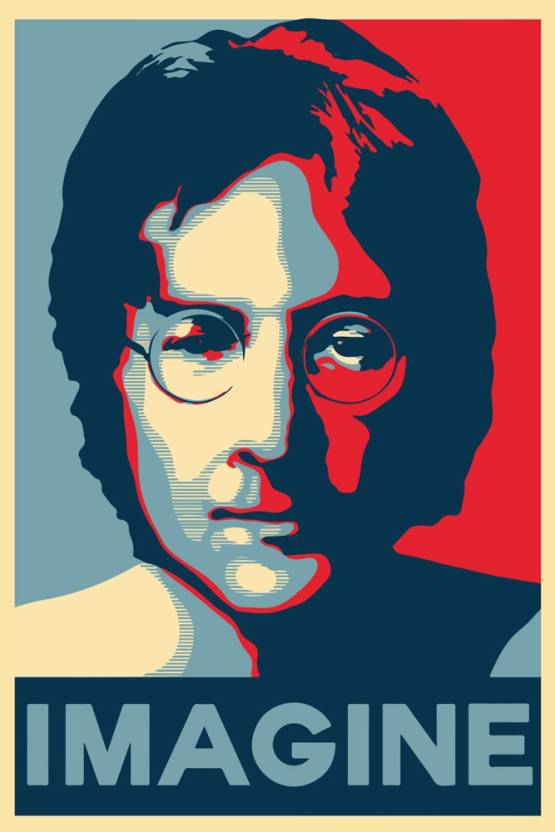
The religious and political leaders were the first to point a finger to his style and lyrics and were among the stakeholders who viewed him as a bad influence on the society. The government of Algeria was other actors who banned Khaled songs from being played in public and were consequently banned from state radio. The fundamentalists ensured that his music genre never played in the country and later it is due to this pressure that forced Cheb Khaled to run away to exile. Rai music was never allowed, and not just Khaled’s but Algerian state radio never played the type of music. The situation was even worse for Khaled because his own family never supported him. His father to be precise disliked the entire idea of him singing and being a police officer he never supported Khaled.
Here is the song ” Imagine “
In Algeria musicians who sang rai, the genre was targeted to be executed, and terrorists began planning and implementing many artists. During the period famous artists for example “prince of rai,” singer Cheb Hasni got killed for singing Rai music.
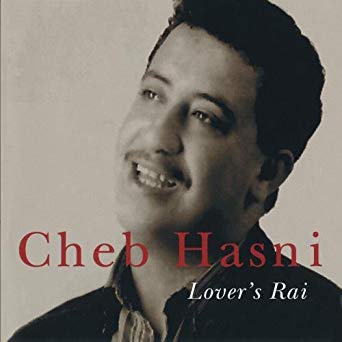
It is during the persecutions of musicians that Khaled also escaped to France and became one of the first Algerian expatriates to break out in France with his love song “Didi.” He had to spend many years in exile in Europe. Khaled opened the north-African music to the world with his audience in Europe and contributed to the transformation of pop culture in France which made him so influential in Europe.
here is the song ” Didi”
Cheb Khaled was the first singer to globalize the rai genre sound and even started to incorporate hip-hop, French chanson, reggae and funk, and then a song style from the Middle Ages and the Renaissance. Though Khaled embraced international flavor in his songs, he remained true to the Arabic sound. His seductive voice and nasal remained and this made him popular records in and India the Middle East and France.
Cheb Khaled career took a new dimension when he started working with the liberal groups under the Algerian regime, and his music was supported by prominent people, for example, Lieutenant-Colonel Hosni Snoussi who was Algeria’s director of the state-supported arts and culture organization. It is through these initiatives that Khaled rose to fame performance and performed on big state-sponsored Festival. Khaled and other rai stars came to play at this festival due to the efforts of the “The regime’s liberal wing became interested in promoting rai in the wake of a spate of unrest that erupted during the early 1980s. The actors at his home country who were the fundamentalist Muslim who saw him as a bad example to the state. Also there
Other stakeholders on Khaled music career were the French government who offered him a refuge when he was kicked out of the country by his mother country for being involved in a new wave of seeking justice. His producer the French veteran Martin Meissonier also was instrumental in helping him become an international star.
Nonetheless, Khaled also advocated against French racism. His music and efforts have been inspired by a free society. He has championed for the Arab Maghrebi culture to be incorporated into the mainstream of French culture. His efforts have contributed a great deal in countering anti-Arab racist sentiment in France and also has created a legitimate cultural space for Arabs living in France. Khaled stands as an international artist who has done much to promote Arab culture in the West, and also rather than to frame him as an Algerian artist, the thrust of whose work is against Islamic intolerance. Khaled was able to continue with his music courtesy of the French government. Also, his producer supported him and enabled him to become an international artist and the King of rai. Through his music, he has played a leading role in all condemning the killing of fellow musicians in Algeria.
To sum it up Khaled blended vibrant music with local culture using the street language to offer an opinion about street life and championed for the rights of musicians (Forte, 2009). His music advanced and spoke about the outlawed aspects of the Muslim world and condemned the killing of innocent people based on prejudice. Despite the rai pioneer, living in exile, his contributions were tremendous has he managed to create awareness about the murder of fellow musicians and brought about freedom. It is through the exile and fights for state freedom that Khaled built his career while in France and later he was able to secure freedom for most subsequent artists in Algeria. Khaled collaborated with non-Muslims with Jewish and American artists to break the barrier and was able to popularize rai which eventually brought freedom. He also remained fierce in his message of peace, love and personal freedom. Even after moving to France Khaled never changed his ideologies he stayed vocal in condemning the Muslim fundamentalists back at his home country who according to him had a backward culture which denied people freedom.
References
Romer, M. (2006, May 17). An Introduction to Northern African Rai Music
Denselow, R. (2017, May 31). ‘I was spat at and called a traitor’.
Forte, M. C. (2009, April 18). Cheb Khaled, King of Raï: Algerian Freedom, Fusion, and Fête.
 Human Rights, Music, & Resistance